
It’s time for a new direction. I'm bringing fresh ideas and a commitment to building a more inclusive and equitable future. I believe in the power of our community to come together and make a difference. Read more below about my vision and join me in making real change.
Where Phil Stands on the Issues.

Public Education
Public schools are a public trust. They are the only schools in Indiana required to educate every child—regardless of disability, income, language, religion, or background. They’re governed by elected school boards, follow open‑meeting and public‑records laws, and are directly accountable to taxpayers.
Voucher and privatization programs divert public dollars away from that system. Private schools receiving taxpayer funds do not operate under the same public oversight and are not required to serve all students.
Indiana should fully fund its public schools and stop expanding taxpayer‑funded private school vouchers.
Indiana’s K–12 funding comes from the state’s Tuition Support formula. Since 2012, private school vouchers have been paid from that same pool of money.
Voucher spending reached nearly $500 million in the 2024–25 school year.
Eligibility expansion is moving toward universal access, increasing long‑term costs.
Public school expenses continue to rise—teacher pay, special education, transportation, utilities—while property tax changes limit local revenue.
Inflation impact reduces the real value of recent funding increases.
Every dollar directed to private schools is a dollar not available for the public schools that serve all Hoosier students.
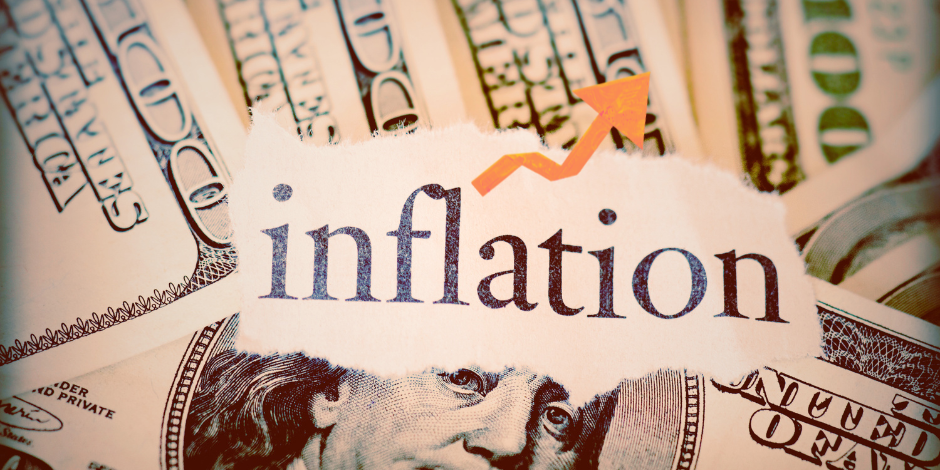
Affordability and Inflation
Hoosiers are working hard, but many families feel like they’re losing ground. Prices for groceries, housing, utilities, insurance, child care, and transportation have risen faster than many wages. For people in House District 35, the pressure shows up in higher electric bills, rising property taxes, and rent that’s outpacing incomes.
Indiana often promotes itself as a low‑cost, business‑friendly state. That matters. But affordability isn’t just about tax rankings — it’s about whether working families, seniors, young adults, and small business owners can realistically build a stable life here.
What’s Driving the Squeeze
Inflation has touched nearly every part of daily life. Families are paying more for:
Utilities — electricity and natural gas
Housing — rent and home prices
Property taxes
Child care
Health care
Auto insurance
Groceries and household essentials
Wages haven’t kept up. In many parts of Indiana, the average renter cannot afford a modest two‑bedroom apartment, and the problem isn’t limited to big cities. Smaller communities and rural counties are also seeing rising rents, housing shortages, and higher utility burdens.
These pressures hit certain groups especially hard:
Seniors on fixed incomes
Young adults trying to buy a first home
Single‑parent households
Rural residents facing long commutes
Working families living close to the edge
Indiana can’t control global inflation, but state policy can reduce the pressure on households.
Utilities & Energy Costs
Electric bills have climbed across Indiana, and many residents worry that large industrial projects — including energy‑intensive data centers — could push rates even higher.
Indiana needs reliable, affordable energy. Economic development is important, but residential customers shouldn’t subsidize massive new energy demands.
State lawmakers should consider policies that:
Increase transparency in utility rate cases
Strengthen oversight by the Indiana Utility Regulatory Commission
Require large industrial users to pay their fair share
Expand consumer protections
Promote long‑term rate stability
Recent discussions in the legislature about affordability‑focused utility reforms — including low‑income assistance and performance‑based ratemaking — should continue with the goal of protecting families and seniors.
Housing Affordability & Homeownership
Indiana faces a shortage of affordable homes, and starter‑home construction hasn’t kept up with demand. Prices and rents have risen sharply, making homeownership — a traditional path to stability — harder to reach.
Indiana should support policies that:
Encourage workforce‑housing construction
Reduce unnecessary building barriers
Rehabilitate aging homes
The Indiana Legislature can’t control global inflation, but state policy can ease the strain — by keeping utility rates fair, protecting residential customers, supporting affordable housing and starter‑home construction, and helping first‑time buyers. Affordability should mean that families can realistically live and work here without being priced out.

Cannabis Legislation
Hoosiers are already buying cannabis — just not in Indiana. Because neighboring states have legalized and Indiana has not, tax dollars that could support our own roads, schools, and public safety are flowing to Michigan, Illinois, and Ohio instead. Polls show strong public support for legalization, yet the legislature continues blocking debate while Indiana loses out on revenue and economic growth.
A modern approach would legalize, regulate, and tax cannabis for adults 21+, with strict age limits, product testing, impaired‑driving enforcement, local control, and licensing that supports Indiana farmers and small businesses. It should also include expungement review for low‑level possession cases.
The choice is simple: criminal markets profit, neighboring states profit, or Indiana taxpayers benefit from a safe, regulated system. Hoosiers are ready for common‑sense reform. It’s time for the Statehouse to listen.